
Heart rate watches
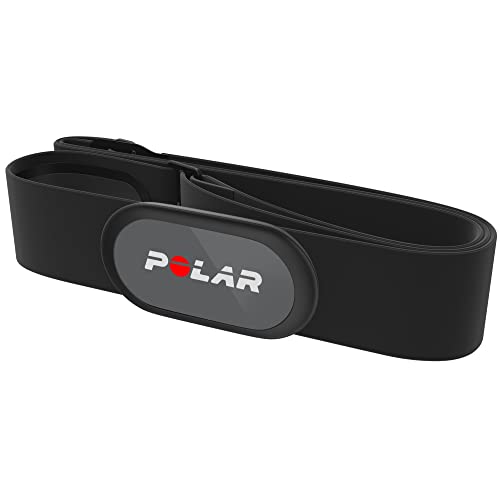
Polar H10 M-XXL hard lag sensor Bluetooth & ANT+ | Fits 26-37" Chest, ECG Accuracy, HRV Measurement, Waterproof
Check availability in your local Amazon store.
Heart rate watches: explore products and accessories for everyday life. Browse the selection and visit Amazon for current offers.
More on the topic ↓You can find product details, current prices and availability directly on Amazon.
Check availability in your local Amazon store.
Check availability in your local Amazon store.

Check availability in your local Amazon store.
Check availability in your local Amazon store.

Check availability in your local Amazon store.

Check availability in your local Amazon store.
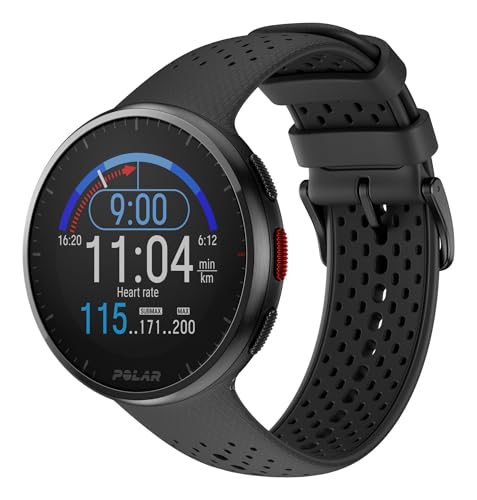
A good heart rate monitor should be able to measure your pulse accurately. However, many watches have difficulty measuring heart rate correctly, especially when the user is moving. That's why it's important that the watch has a function that allows you to accurately measure your pulse even when you're moving. A watch for measuring heart rate should not only measure training time and distance, but also your heart rate. Pulse measurement is very important to see whether you are in the correct pulse range. Many heart rate monitors have a chest strap that measures your pulse. Other heart rate monitors have a finger clip that measures the pulse on a finger. The heart rate monitor should also be able to display heart rate in real time.
Next, you should consider whether you want to have a pedometer in your heart rate monitor. This is a great feature if you exercise regularly and want to record your progress. Many pedometers also function as pedometers, meaning they can help you count the number of steps you take each day or on the Treadmill run. This is a great feature to ensure you get enough exercise to stay healthy.
If you plan to wear your heart rate monitor frequently, you should also consider whether you want a model with a heart rate monitor. This is an important feature for athletes and people with cardiovascular problems. Heart rate monitors can help you monitor your pulse and make sure you're not breathing too fast or too slow.
A good heart rate monitor should be able to display the time and date. This is important so that you know how long you have been training and when you need to take your next break.
Heart rate measurement
Another important function of a heart rate monitor is heart rate measurement. This is important to see if you are completing your workout effectively and keeping your heart rate in the right range. Some heart rate monitors also have heart rate measurement, which provides more accurate data.
Training data
A good heart rate monitor should also be able to store your training data. This is important so you can track your progress and see where you can improve. Some watches also have a function that allows you to share your training data with others.
Another useful function for a heart rate monitor is the alarm clock function. This is especially helpful if you are enrolling in a training program and want to follow your training schedule exactly. The alarm clock function reminds you when it is time to start your workout and ensures that you are on time. A good heart rate monitor should be able to set an alarm. This is useful to ensure you don't miss your daily exercise routine. The alarm clock should be loud enough to wake you up, but not so loud that it disturbs others.
A stopwatch is a useful feature found on many heart rate monitors. The stopwatch can be used to measure the duration of a workout or run. Many heart rate monitors also have a countdown function, which can be helpful when warming up or during other activities.
A good heart rate monitor should have a stopwatch function. This is particularly useful for measuring the duration of a workout or other activity. The stopwatch should be easy to use and provide accurate results.
6. Calculating the calories burned
A heart rate monitor can not only measure the heart rate, but also calculate the calories burned. This is particularly important for people who are looking after their health and want to reduce their weight.
Most heart rate monitors calculate the calories burned based on the heart rate. They determine how much energy the body uses in a certain time. This energy is converted into calories.
In order to calculate the calories burned, the heart rate monitor first needs the heart rate. The heart rate is usually measured using a chest strap. The chest strap is connected to a receiver that transmits the heart rate to the heart rate monitor.
The heart rate monitor can then calculate the calories burned by relating the heart rate to:
- the intensity of the training (light, medium or hard)
- the duration of the training
- the age
– the gender
- the weight